





Services

Brand and CX trackingKnow what’s changing, and why.Customer satisfaction and NPS surveysThe scores, the reasons behind them and what it means.Focus groups and in-depth interviewsWhat people truly mean and why.Customer segmentationSegments you’ll still be using in three years.Customer journey mappingWhere issues and frustrations arise, and how to fix them.Concept testing and product developmentFind out if it works, if it’s distinctive and how to make it better.Research synthesis and strategyTurn the research you already have into direction.

Work

All 13 case studies →

About

Will AndersonTwenty years on both sides of the tableHow Freeform worksFive things you can count onStandardsRegistered on Victorian and Commonwealth government panelsCapability statementPDF, for procurement

Thinking

Synthetic respondents give you the answer everyone would giveResearch practice · October 2026Who your battery customers actually areEnergy · September 2026Nobody recommends their water companyCustomer metrics · September 2026All articles →

Let’s talk

hello@freeformstrategy.comLinkedInlinkedin.com/in/willanderson2

Every message comes straight to me. I reply personally, usually within a working day.

Or send a note

Your details are used only to reply to you.

← All work
Case study · Energy

Aurora Energy: a segmentation built to be used, not filed

ClientAurora Energy, TasmaniaSectorEnergyServiceCustomer segmentationWhen2019–2020
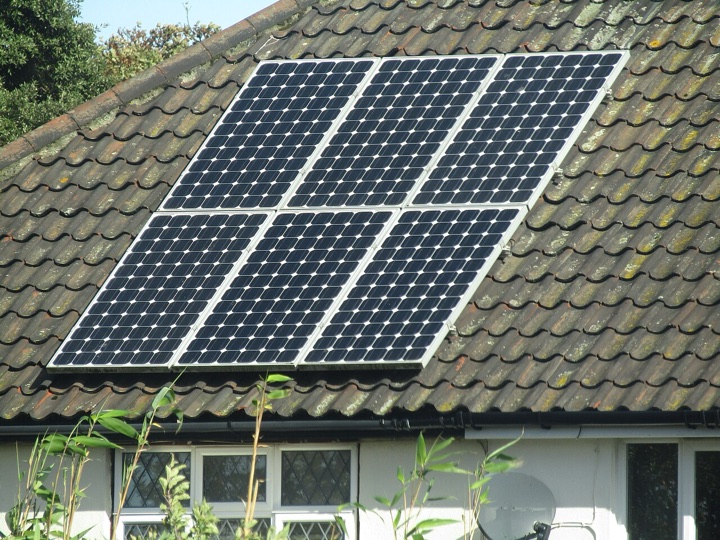
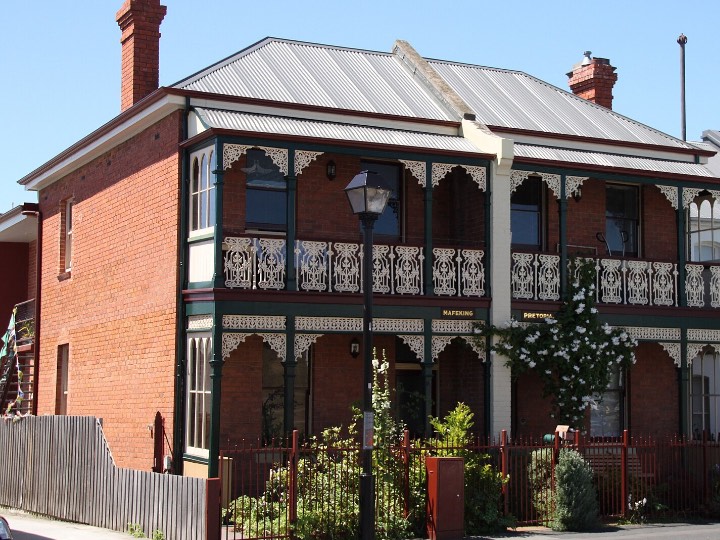
A brick terrace house in Battery Point, Hobart
2020
the year it was built, and it is still in use
Own data first
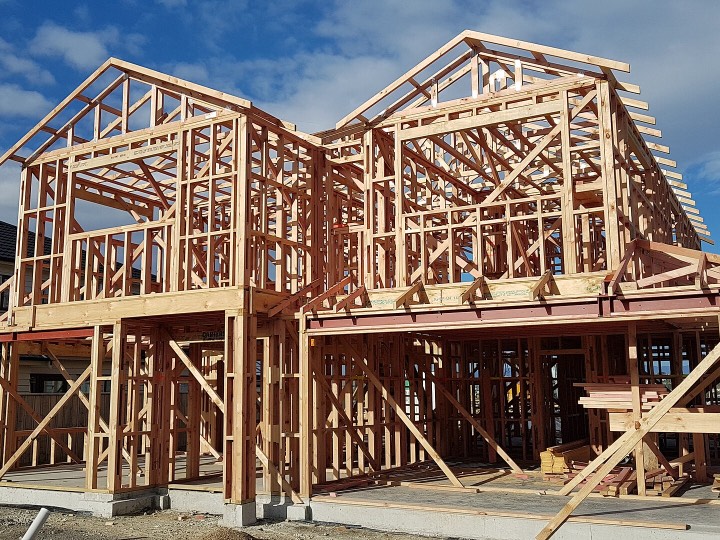
then in-depth interviews to understand value
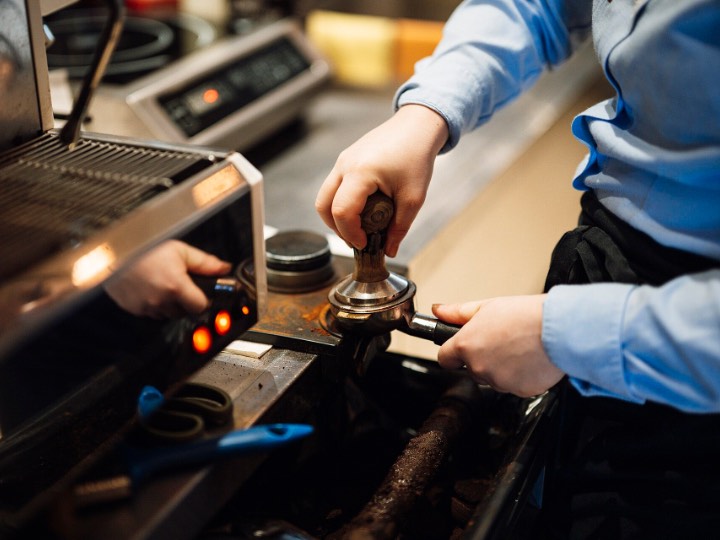
A workshop
where Aurora’s staff turned findings into insights
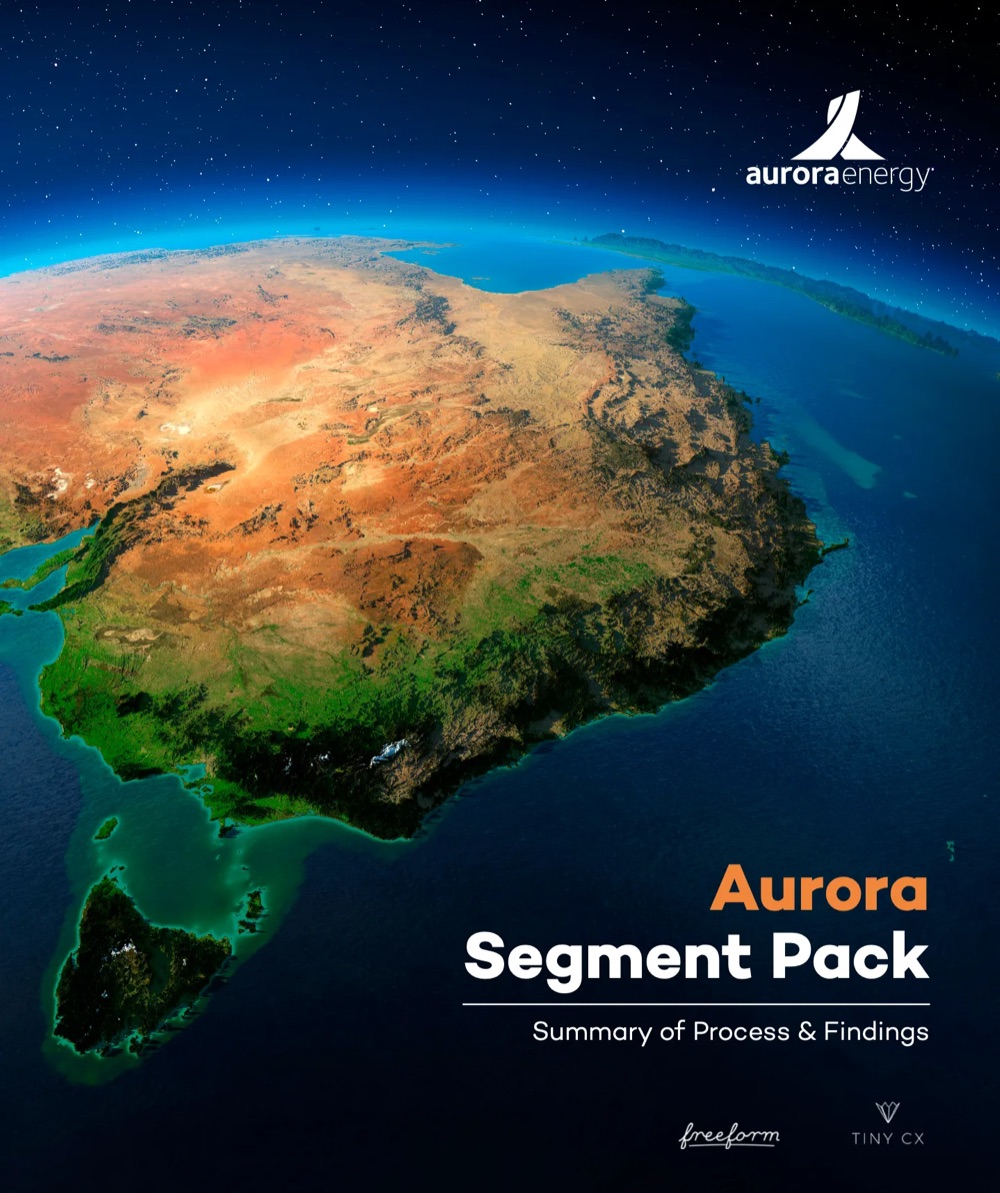
The cover of the Aurora Energy segment pack, a satellite view of south-east Australia and Tasmania
Shown with the permission of Aurora Energy.

The question

Most segmentations end up in a slide deck. Aurora wanted one it could use. As Tasmania’s largest retailer it can’t choose its market, so it needed to understand what value means to almost everyone it serves.

What we did

Working with Tiny CX, we built it the way we build every segmentation: start from what the business already knows about its customers, then go and talk to them. In-depth interviews using Repertory Grid drew out what each group values and why, in people’s own words and in a form you can count.

The result was a small set of segments, each with a clear definition and the value drivers behind it, handed over in a workshop where Aurora’s own staff turned the findings into insights.

What it means

Five years on, the segmentation still frames how Aurora reads its customers, including in the brand and customer tracking we run. What the segments are, and what each one values, is Aurora’s to know.