




Services

Brand and CX trackingKnow what’s changing, and why.Customer satisfaction and NPS surveysThe scores, the reasons behind them and what it means.Focus groups and in-depth interviewsWhat people truly mean and why.Customer segmentationSegments you’ll still be using in three years.Customer journey mappingWhere issues and frustrations arise, and how to fix them.Concept testing and product developmentFind out if it works, if it’s distinctive and how to make it better.Research synthesis and strategyTurn the research you already have into direction.

Work

All 13 case studies →

About

Will AndersonTwenty years on both sides of the tableHow Freeform worksFive things you can count onStandardsRegistered on Victorian and Commonwealth government panelsCapability statementPDF, for procurement

Thinking

Synthetic respondents give you the answer everyone would giveResearch practice · October 2026Who your battery customers actually areEnergy · September 2026Nobody recommends their water companyCustomer metrics · September 2026All articles →

Let’s talk

hello@freeformstrategy.comLinkedInlinkedin.com/in/willanderson2

Every message comes straight to me. I reply personally, usually within a working day.

Or send a note

Your details are used only to reply to you.

← All work
Case study · Government

Solar Victoria: proof the advertising was working

ClientSolar VictoriaServiceBrand and campaign trackingWhen2022–2025
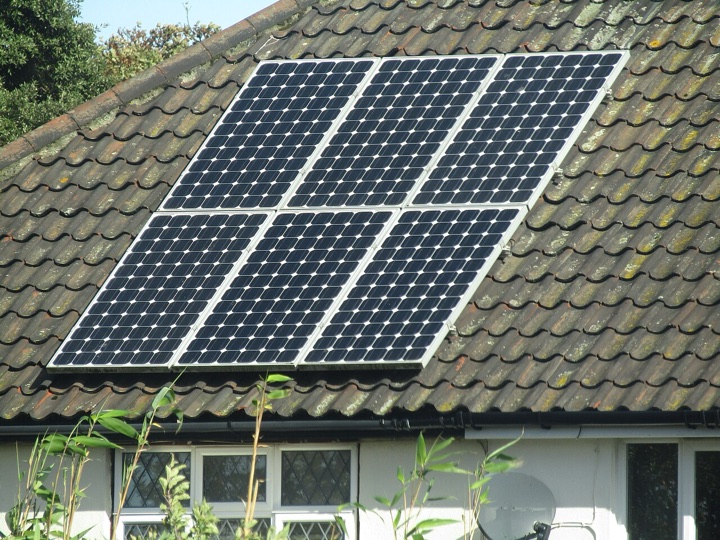
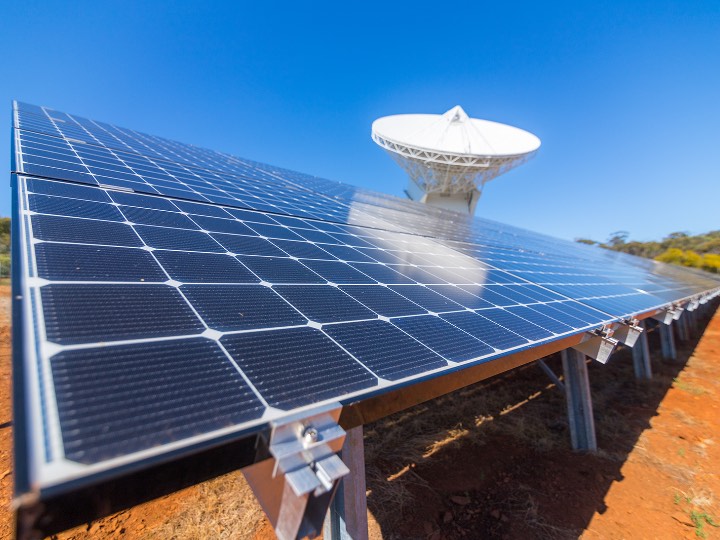
Solar panels under a clear sky
9 waves
of tracking, 2022 to 2025
Every wave
tested the advertising as well as the brand
One
consistent read on what moved, and why

The question

Solar Victoria ran some of the state’s best-known rebate and loan programs. It needed to track awareness, understand the barriers to uptake, and know whether its advertising was changing what Victorians did.

What we did

Nine waves of tracking between 2022 and 2025, each with 500 Victorian property owners. Alongside brand measures, every wave tested advertising recall, response and message take-out. Separately, we researched the battery loan offer and tested communications.

What we found

Across nine waves, awareness and advocacy rose steadily, and people who had seen the “Put the Sun to Work” campaign were noticeably more likely to check their eligibility and plan to apply. Over the same period, cost of living became less of a reason to delay, and more property owners planned to electrify their homes.

Reading the numbers carefully mattered. When purchase intent dipped, it was because more people already owned solar, not because interest was falling.